
Philip
Philip
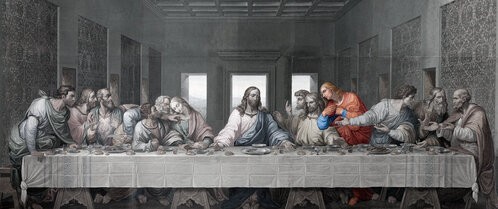
Philip, the apostle, is not mentioned in the first three gospels other than in the lists of the apostles. However, he is a frequent character in the book of John. Philip had been among the followers of John the Baptist and he is unique in that Jesus called him personally to be His disciple. Jesus simply said to him, “Follow Me.” Philip answered Jesus’ call and was instrumental in bringing Nathaniel (Bartholomew) to Jesus who also became one of the twelve apostles.
For three years, Philip lived with Jesus, witnessed His miracles, and heard Jesus’ teachings. When Jesus and His disciples went to Jerusalem, some Greek men from Bethsaida wanted to see Jesus; so, they came to Philip to help them meet Him. During the Last Supper, Philip asked Jesus to show them the Father. Jesus replied that He and the Father were one.
After Jesus’ ascension, Philip preached in Galilee where he performed many miracles including restoring the life of an infant in his mother’s arms. Then, he went to Greece and preached to the Jews there. In response, some scribes and a Jewish priest came to Greece to interrogate Philip. These men claimed that the disciples had stolen Jesus’ body and hidden it. Philip replied that the Pharisees had bribed the Roman soldiers who were on watch over Jesus’ tomb to spread this story. When these Jewish men began to insult Jesus and lunged after Philip, they were struck blind. However, when Philip prayed for them, their eyesight was restored. Many believed in Jesus as a result of this miracle.
The Acts of Philip, written by Eusebius, recounts the preaching and miracles of Philip. He reports that he was a missionary, along with Nathaniel (Bartholomew) and his sister, Marianne, to Greece, Phrygia, and Syria. (Other sources add Scythia – a region in central Eurasia – Asia Minor, Lydia, and Emessa). Eusebius’ book also recounts that, through Philip’s preaching and a miraculous healing, Philip brought to conversion the wife of the proconsul of the city of Hierapolis. This enraged the proconsul and he had all three of the missionaries tortured. Then, he had them crucified upside down on crosses. Philip preached from the cross and, as a result of his preaching, the crowd released Bartholomew and Marianne from their crosses, but Philip refused to be released and he died on the cross.
Philip’s tomb was found in the ancient city of Hierapolis (modern Pamukkale) in 2011.
For three years, Philip lived with Jesus, witnessed His miracles, and heard Jesus’ teachings. When Jesus and His disciples went to Jerusalem, some Greek men from Bethsaida wanted to see Jesus; so, they came to Philip to help them meet Him. During the Last Supper, Philip asked Jesus to show them the Father. Jesus replied that He and the Father were one.
After Jesus’ ascension, Philip preached in Galilee where he performed many miracles including restoring the life of an infant in his mother’s arms. Then, he went to Greece and preached to the Jews there. In response, some scribes and a Jewish priest came to Greece to interrogate Philip. These men claimed that the disciples had stolen Jesus’ body and hidden it. Philip replied that the Pharisees had bribed the Roman soldiers who were on watch over Jesus’ tomb to spread this story. When these Jewish men began to insult Jesus and lunged after Philip, they were struck blind. However, when Philip prayed for them, their eyesight was restored. Many believed in Jesus as a result of this miracle.
The Acts of Philip, written by Eusebius, recounts the preaching and miracles of Philip. He reports that he was a missionary, along with Nathaniel (Bartholomew) and his sister, Marianne, to Greece, Phrygia, and Syria. (Other sources add Scythia – a region in central Eurasia – Asia Minor, Lydia, and Emessa). Eusebius’ book also recounts that, through Philip’s preaching and a miraculous healing, Philip brought to conversion the wife of the proconsul of the city of Hierapolis. This enraged the proconsul and he had all three of the missionaries tortured. Then, he had them crucified upside down on crosses. Philip preached from the cross and, as a result of his preaching, the crowd released Bartholomew and Marianne from their crosses, but Philip refused to be released and he died on the cross.
Philip’s tomb was found in the ancient city of Hierapolis (modern Pamukkale) in 2011.
Posted in Fate of the Disciples
Recent
The Big Reveal...A First Connection.. The Tunnel of Tears
July 23rd, 2026
Things are Taking Shape(s).... Vectors of HOPE..Quédese, señor
July 23rd, 2026
The HOPE at the Top of the Hill...The HOPE through the Hole in the Wall...The HOPE that Glows in the Darkness
July 21st, 2026
First Day of School, A Great Hope (for a Living Room Too).. and "Anda"
July 21st, 2026
Listening in Tongues, Two Purposes for a Tree... Pray for Pavas
July 19th, 2026
Archive
2026
July
James - The Son of ThunderJohnThaddeusMatthewPhilipThomasConclusionCosta Rica SMT26 T-Minus 18 hours and counting....Location 9.9325° N, 84.0800° W...and Feeling FineListening in Tongues, Two Purposes for a Tree... Pray for PavasFirst Day of School, A Great Hope (for a Living Room Too).. and "Anda"The HOPE at the Top of the Hill...The HOPE through the Hole in the Wall...The HOPE that Glows in the DarknessThings are Taking Shape(s).... Vectors of HOPE..Quédese, señorThe Big Reveal...A First Connection.. The Tunnel of Tears
2025
April
Czech Republic Mission Trip BackgroundCzech Republic Teaching ThemesWhat Happened to Jesus' Disciples?Czech Republic Day One & TwoCzech Republic Day ThreeCzech Republic Day FourCzech Republic Day FiveCzech Republic Day SixCzech Republic Day SevenCzech Republic Day EightCzech Republic Day NineCzech Republic Day Ten
June
2024
March
WE ARRIVED....PURA VIDADay 2 - Getting to Know Costa RicaDay 3 - Cultural Experience, Church, and Final PreparationsDAY 4 (Part 1) – It's Monday...PreparationsDay 4 (Part 2) Service Project and Day CampDay 5 - Primed for MinistryDay 6 - Painting and GenesisDay 7 - Final Day at Hope PartnersDay 7 - Hope Partners Recap VideoDay 8 - La PlayaDay 9 - Volcano, Bible School, and Cultural Experience ExtravaganzaMeet Our Dubai Mission Team
April
May
July
No Comments