
Conclusion
Conclusion
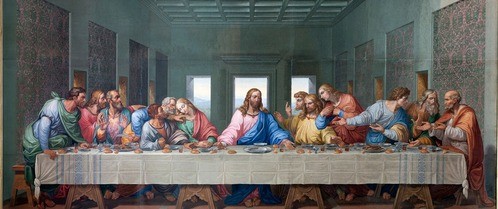
YouTube has produced a skit that features the 11 disciples after Jesus' death. They confess to having stolen Jesus' body from His tomb and were discussing how they would say He had been raised from the dead – although, in the skit, that had certainly not happened. One of the disciples raised opposition to the plan. He said they would all be killed if they professed this lie. Then he said he had no intention of being killed for something they all knew was a lie.
This has been the subject of this blog. After abandoning Jesus as He was being crucified and Peter's 3-time denial of any association with Jesus, in a little over a month, all 11 disciples proclaimed they had seen and spent 40 days with the resurrected Jesus. Paul even mentions in I Corinthians 15:5-6 that, after Jesus' death, in his resurrected body, Jesus "appeared to Cephus (Peter) and then to the twelve. After that, he appeared to more than five hundred of the brothers and sisters at the same time, most of whom are still living …"
As we have seen from history, all 11 disciples dispersed to nearly all corners of the then known world, proclaiming they had seen and talked with the resurrected Jesus, and, except for John, each disciple was martyred by some of the most malicious execution methods of the time.
Even John was thrown into boiling oil by the Emperor Domitian. However, he survived and was then exiled to the Island of Patmos for the rest of his life.
Now, some have maintained that the stories of Jesus were all made up. However, there are several non-Christian witnesses to Jesus Christ from the time he lived, including historians and others.
Josephus
A Jewish historian who lived around 93–94 AD. His Antiquities of the Jews includes two references to Jesus, including the Testimonium Flavianum, which some scholars use to support the existence of Jesus' crucifixion.
Tacitus
A Roman historian who lived from 56–120 AD. His Annals of 116 AD describes Nero's persecution of Christians and the crucifixion of Jesus under Pontius Pilate.
Suetonius
A Roman historian and court official who lived around 120 AD. He made two references to Jesus, including one that some scholars believe notes that Emperor Claudius expelled Jews from Rome because of disturbances caused by Chrestus.
Lucian
A Greek satirist who lived in the second century. He alluded to Christ in a reference to someone who was crucified in Palestine for introducing a new cult.
Mara bar-Serapion
Wrote a letter after 73 AD that is now in the British Museum. He wrote, "'What advantage did the Jews gain from executing their wise king? It was just after that their kingdom was abolished. God justly avenged … the Jews, desolate and driven from their own kingdom, live in complete dispersion.'" Most scholars believe the reference to the Jews' wise king was a reference to Jesus (https://en.wikipedia.org/wiki/Sources_for_the_historicity_of_Jesus).
Time magazine and the Wikipedia (see above) say that Jesus was the most significant and best attested man of history.
Now, Christianity grew mightily from the very beginning of the apostle's missionary journeys. In fact, the Roman and Jewish leaders considered them such a great threat to society in general that they began horrendous persecutions of the Christians. Shortly after Jesus' death and resurrection, Nero killed, as some have estimated, 989 Christians from AD 64 to 69. And the killings didn't stop there. Because of multiple persecutions during the first 3 centuries, by some estimates, 2 million Christians had been martyred by 325 AD, mostly by the Empire."
Tacitus, a Roman historian, wrote in his book, Annals, (AD 98 -138) "Therefore, to stop the rumor [that he had set Rome on fire], he [Emperor Nero] falsely charged with guilt, and punished with the most fearful tortures, the persons commonly called Christians, who were [generally] hated for their enormities. Christus, the founder of that name, was put to death as a criminal by Pontius Pilate, procurator of Judea, in the reign of Tiberius, but the pernicious superstition - repressed for a time, broke out yet again, not only through Judea, - where the mischief originated, but through the city of Rome also …In their very deaths they were made the subjects of sport: for they were covered with the hides of wild beasts, and worried to death by dogs, or nailed to crosses, or set fire to, and when the day waned, burned to serve for the evening lights."
However, in 313 AD, after the Diocletian Persecution, Rome legalized Christianity and religious freedom was granted to all citizens. In 381 AD, Christianity became the official religion of the Roman Empire.
Therefore, one would conclude from all these references, that Jesus was, in fact, resurrected from death – historically! He is the Son of God who, now, through His death, intervenes on behalf of those who believe in Him and saves them to eternal life. For, as the disciples and those who historically followed them proved, no one would die for what they knew was a lie, but they would die for what they knew was the truth.
This has been the subject of this blog. After abandoning Jesus as He was being crucified and Peter's 3-time denial of any association with Jesus, in a little over a month, all 11 disciples proclaimed they had seen and spent 40 days with the resurrected Jesus. Paul even mentions in I Corinthians 15:5-6 that, after Jesus' death, in his resurrected body, Jesus "appeared to Cephus (Peter) and then to the twelve. After that, he appeared to more than five hundred of the brothers and sisters at the same time, most of whom are still living …"
As we have seen from history, all 11 disciples dispersed to nearly all corners of the then known world, proclaiming they had seen and talked with the resurrected Jesus, and, except for John, each disciple was martyred by some of the most malicious execution methods of the time.
Even John was thrown into boiling oil by the Emperor Domitian. However, he survived and was then exiled to the Island of Patmos for the rest of his life.
Now, some have maintained that the stories of Jesus were all made up. However, there are several non-Christian witnesses to Jesus Christ from the time he lived, including historians and others.
Josephus
A Jewish historian who lived around 93–94 AD. His Antiquities of the Jews includes two references to Jesus, including the Testimonium Flavianum, which some scholars use to support the existence of Jesus' crucifixion.
Tacitus
A Roman historian who lived from 56–120 AD. His Annals of 116 AD describes Nero's persecution of Christians and the crucifixion of Jesus under Pontius Pilate.
Suetonius
A Roman historian and court official who lived around 120 AD. He made two references to Jesus, including one that some scholars believe notes that Emperor Claudius expelled Jews from Rome because of disturbances caused by Chrestus.
Lucian
A Greek satirist who lived in the second century. He alluded to Christ in a reference to someone who was crucified in Palestine for introducing a new cult.
Mara bar-Serapion
Wrote a letter after 73 AD that is now in the British Museum. He wrote, "'What advantage did the Jews gain from executing their wise king? It was just after that their kingdom was abolished. God justly avenged … the Jews, desolate and driven from their own kingdom, live in complete dispersion.'" Most scholars believe the reference to the Jews' wise king was a reference to Jesus (https://en.wikipedia.org/wiki/Sources_for_the_historicity_of_Jesus).
Time magazine and the Wikipedia (see above) say that Jesus was the most significant and best attested man of history.
Now, Christianity grew mightily from the very beginning of the apostle's missionary journeys. In fact, the Roman and Jewish leaders considered them such a great threat to society in general that they began horrendous persecutions of the Christians. Shortly after Jesus' death and resurrection, Nero killed, as some have estimated, 989 Christians from AD 64 to 69. And the killings didn't stop there. Because of multiple persecutions during the first 3 centuries, by some estimates, 2 million Christians had been martyred by 325 AD, mostly by the Empire."
Tacitus, a Roman historian, wrote in his book, Annals, (AD 98 -138) "Therefore, to stop the rumor [that he had set Rome on fire], he [Emperor Nero] falsely charged with guilt, and punished with the most fearful tortures, the persons commonly called Christians, who were [generally] hated for their enormities. Christus, the founder of that name, was put to death as a criminal by Pontius Pilate, procurator of Judea, in the reign of Tiberius, but the pernicious superstition - repressed for a time, broke out yet again, not only through Judea, - where the mischief originated, but through the city of Rome also …In their very deaths they were made the subjects of sport: for they were covered with the hides of wild beasts, and worried to death by dogs, or nailed to crosses, or set fire to, and when the day waned, burned to serve for the evening lights."
However, in 313 AD, after the Diocletian Persecution, Rome legalized Christianity and religious freedom was granted to all citizens. In 381 AD, Christianity became the official religion of the Roman Empire.
Therefore, one would conclude from all these references, that Jesus was, in fact, resurrected from death – historically! He is the Son of God who, now, through His death, intervenes on behalf of those who believe in Him and saves them to eternal life. For, as the disciples and those who historically followed them proved, no one would die for what they knew was a lie, but they would die for what they knew was the truth.
Posted in Fate of the Disciples
Recent
Archive
2026
2025
April
Czech Republic Mission Trip BackgroundCzech Republic Teaching ThemesWhat Happened to Jesus' Disciples?Czech Republic Day One & TwoCzech Republic Day ThreeCzech Republic Day FourCzech Republic Day FiveCzech Republic Day SixCzech Republic Day SevenCzech Republic Day EightCzech Republic Day NineCzech Republic Day Ten
June
2024
March
WE ARRIVED....PURA VIDADay 2 - Getting to Know Costa RicaDay 3 - Cultural Experience, Church, and Final PreparationsDAY 4 (Part 1) – It's Monday...PreparationsDay 4 (Part 2) Service Project and Day CampDay 5 - Primed for MinistryDay 6 - Painting and GenesisDay 7 - Final Day at Hope PartnersDay 7 - Hope Partners Recap VideoDay 8 - La PlayaDay 9 - Volcano, Bible School, and Cultural Experience ExtravaganzaMeet Our Dubai Mission Team
April
May
July
No Comments